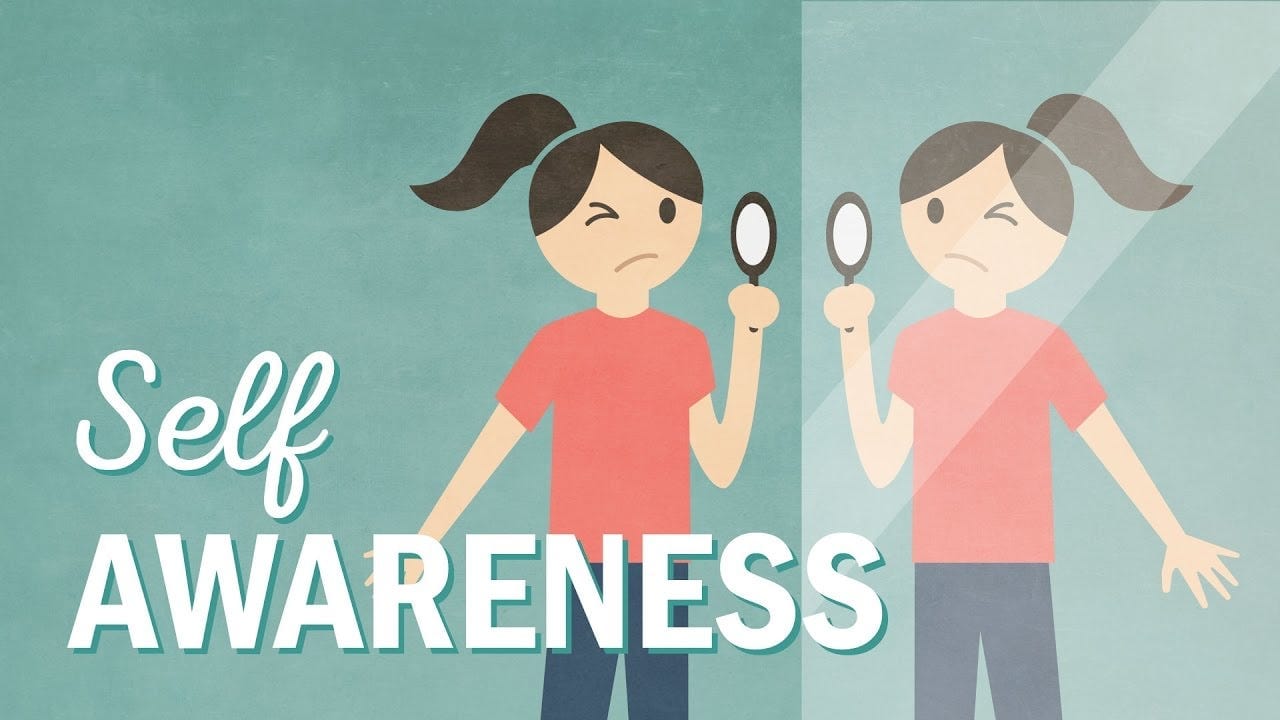
Unlocking Your Potential: The Power of Self Awareness in 2026
In our fast-paced, distraction-filled world of 2026, self awareness stands as the foundational skill for personal growth, emotional intelligence, career success, and fulfilling relationships. Often overlooked amid endless notifications, remote work demands, and societal pressures, true self awareness isn’t a luxury—it’s a practical superpower that helps you navigate uncertainty, make aligned decisions, and live authentically.
As organizational psychologist Tasha Eurich’s landmark research reveals, while 95% of people believe they are self-aware, only 10-15% actually demonstrate it consistently. This widespread gap explains why so many feel stuck despite outward achievements. This comprehensive guide dives deep into what self awareness truly means, its science-backed benefits, real-world examples from everyday people and high-profile leaders, proven strategies to cultivate it, and how to overcome common barriers. By the end, you’ll have actionable insights to elevate your life—whether you’re aiming for career advancement, stronger connections, or greater inner peace.
Defining self awareness: Internal and External Dimensions
Self awareness is the conscious knowledge of your own character, feelings, motives, and desires. It’s the ability to see yourself clearly—both internally and through others’ perspectives.
Daniel Goleman, the pioneer of emotional intelligence (EQ), positions self awareness as the cornerstone of EQ. It involves recognizing your emotions in real time, understanding their triggers, and seeing how they influence your thoughts and actions.
Books like As a Man Thinketh by James Allen are a great start to discovering how your thoughts influence your actions.
Internal self awareness: Your Inner Compass
This dimension focuses on introspection: knowing your values, strengths, weaknesses, passions, and aspirations. It’s about answering “Who am I really?” beyond societal roles or expectations.
Consider Sarah, a 38-year-old marketing executive in a high-paying corporate role. Despite promotions and praise, she felt chronically unfulfilled. Through dedicated journaling and quiet reflection, Sarah realized her true passion was creative storytelling, not data-driven campaigns. This internal insight prompted her to transition into freelance content creation and podcasting. Within two years, she built a thriving personal brand, reporting higher satisfaction and work-life balance. Sarah’s story illustrates how internal self awareness prevents misalignment and unlocks authentic fulfillment.
External self awareness: How Others Perceive You
This involves understanding your impact on others—your blind spots, communication style, and interpersonal dynamics. It’s crucial because even highly introspective people can misjudge their external presence.
Take Mike, a tech team lead known for his energetic ideas. Colleagues appreciated his enthusiasm but felt overshadowed by constant interruptions. After a 360-degree feedback session, Mike learned his “passion” came across as domineering. Armed with this external perspective, he practiced active listening techniques, resulting in improved team collaboration, higher morale, and a promotion to senior manager. External self awareness turned a potential liability into a leadership strength.
Together, these dimensions create a complete picture. Without both, you risk operating from illusion—either overestimating your self-knowledge or ignoring how you affect the world around you.

The Science-Backed Benefits of self awareness
self awareness delivers measurable advantages across life domains, supported by decades of research.
Improved Decision-Making and Goal Achievement
Self-aware individuals align choices with their core values, leading to better outcomes. A Journal of Personality and Social Psychology study found self-aware people are approximately 20% more likely to achieve goals due to clearer priorities and reduced impulsivity.
Real-world example: Entrepreneur Lisa, facing a high-salary corporate offer, reflected on her stress triggers and long-term vision for balance. Recognizing the role’s mismatch with her need for flexibility, she declined and launched a freelance consulting firm. This decision avoided burnout and grew into a six-figure business, proving how self awareness prevents regrettable paths.
Enhanced Leadership and Workplace Performance
In professional settings, self awareness correlates with superior results. Recent 2025 studies show teams led by self-aware leaders achieve up to 30% higher productivity, lower turnover, and better innovation. Google’s Project Aristotle identified psychological safety—fostered by self-aware leaders—as key to high-performing teams.
Indra Nooyi, former PepsiCo CEO, exemplifies this. She regularly sought 360-degree feedback, blending assertiveness with empathy. This self-aware approach drove PepsiCo’s innovation and cultural shifts, earning her recognition as one of the world’s most effective leaders. In contrast, leaders lacking self awareness often create toxic environments through unchecked biases.
Programs like the infamous Thinking into Results are responsible for more corporate growth due to leadership development than virtually any other method in circulation.
Stronger Relationships and Emotional Regulation
self awareness fosters empathy, reducing conflicts and deepening connections. Research links it to lower stress, better emotion regulation, and higher relationship satisfaction.
Example from everyday life: Emily, a remote worker, noticed her frustration spiked during video calls. Through mindfulness, she identified impatience as a trigger rooted in childhood perfectionism. By acknowledging this, she communicated needs calmly, improving her marriage and friendships. Brené Brown’s work on vulnerability echoes this: owning emotions builds trust and intimacy.
Greater Confidence, Resilience, and Creativity
Self-aware people exhibit higher confidence (from accurate self-assessment) and resilience (by addressing weaknesses proactively). They also show increased creativity, as clear self-understanding frees mental energy.

Practical Strategies to Cultivate self awareness
Self awareness is a developable skill. Incorporate these evidence-based practices:
Daily Reflection Techniques
Journaling: Dedicate 10-15 minutes nightly. Use prompts like: “What emotion dominated today and why?” or “Did my actions match my values?” Elizabeth Gilbert used journaling to overcome creative blocks during her *Eat, Pray, Love* transformation, leading to global success.
Mindfulness and Meditation: Apps like Headspace guide non-judgmental observation. Harvard research shows regular practice increases gray matter in self awareness-related brain regions.
Actively Seeking Feedback
360-Degree Reviews: Use anonymous tools for honest input. Serena Williams thrives by embracing coaching critiques to refine her performance.
Trusted Conversations: Ask mentors: “What do you see as my blind spot?” Benjamin Franklin maintained a daily “fault log” for continuous improvement.
Experiential and Professional Methods
Join a Streaming Club that covers topics like self awareness, goal setting, and achieving proper mindset.
Role-Playing: Simulate conflicts to observe reactions.
Therapy/Coaching: CBT uncovers subconscious patterns. Oprah Winfrey credits therapy for profound self-insight and career longevity.
Build habits gradually: journal 3x weekly, meditate daily, seek feedback quarterly. Track progress in a dedicated notebook.
Overcoming Common Barriers to self awareness
Barriers often stem from ego, environment, or fear:
Defensive Pride: Counter with humility—view feedback as growth fuel.
Busyness Overwhelm: Schedule reflection like meetings; start with 5-minute check-ins.
Cultural Conditioning: Challenge norms (e.g., “men don’t show emotion”) through diverse reading like *The Gifts of Imperfection*.
Fear of Painful Truths: Acknowledge discomfort gradually; use support systems.
Accountability partners help sustain momentum during resistance.
Final Thoughts: Start Your self awareness Journey Today
self awareness isn’t about perfection—it’s about progress. In 2026’s complex landscape, those who know themselves thrive: making aligned choices, leading effectively, and building meaningful connections.
Begin small: Reflect tonight, seek one piece of feedback this week, meditate for five minutes daily. The rewards—clarity, fulfillment, success—compound over time.
Embrace the journey. Your most empowered self awaits on the other side of honest self-discovery.