
Empowering Women in Leadership Roles: Shifting Mindsets for Lasting Change
Women have always been trailblazers, but stepping into leadership roles often comes with unique hurdles. Imagine a world where every woman feels equipped to lead with confidence. That’s the heart of empowering women in leadership roles mindset. This approach isn’t just about giving opportunities; it’s about building a strong inner foundation that lets women thrive. In this post, we’ll dive into how mindset matters, share practical tips, and explore real stories that show the power of this shift.
When we talk about an empowering women in leadership roles mindset, we’re focusing on thoughts and beliefs that drive action. It’s about ditching self-doubt and embracing strengths. Many women face societal pressures that make leadership feel out of reach. But with the right mindset, they can turn challenges into growth. Let’s break it down step by step.
Why Mindset is Key to Empowering Women in Leadership Roles
A strong mindset is like the engine of a car—it powers everything else. For women aiming for leadership, it’s especially vital. Traditional views often paint leaders as bold and unemotional, which doesn’t always fit the experiences of women. Yet, research shows that diverse leadership, including more women, leads to better business outcomes. Companies with women in top roles see higher profits and innovation.
Empowering women in leadership roles mindset starts with self-awareness. Women need to recognize their value and question limiting beliefs handed down from society or family. It’s not overnight magic; it’s a daily practice. Think of it as rewiring your brain to see obstacles as stepping stones.
One big barrier is imposter syndrome. Many successful women feel like frauds, even after achievements. An empowering women in leadership roles mindset combats this by celebrating wins, big or small. Surround yourself with supportive networks that reinforce your capabilities.
Mindset also ties into resilience. Leadership throws curveballs—criticism, failures, work-life balances. Women who view these as learning moments bounce back stronger. It’s about shifting from “I can’t” to “How can I?”
To build this, start simple. Journal your thoughts daily. What strengths do you bring to the table? For many women, it’s empathy, collaboration, and multitasking honed from years of balancing roles. These are leadership superpowers in disguise.
Breaking Down Barriers: Historical and Cultural Views
History shows us how far we’ve come, but also what’s left to tackle. In the past, women were often sidelined from leadership. Think of the glass ceiling—a term coined in the 1970s to describe invisible barriers holding women back. Even today, women hold only about 10% of CEO positions in Fortune 500 companies.
Culturally, the empowering women in leadership roles mindset pushes against stereotypes. Media and traditions sometimes portray women as caregivers first, leaders second. This can make aspiring leaders second-guess themselves. But change is happening. Movements like #MeToo and Lean In circles have spotlighted women’s stories, inspiring a new generation.
Education plays a role too. Girls need early exposure to female leaders like Ruth Bader Ginsburg or Jacinda Ardern. Seeing women succeed builds belief that it’s possible for them too. Families and schools can foster this by encouraging risk-taking and voice-speaking from a young age.
In workplaces, biases linger. Women might be seen as “bossy” for assertiveness that’s praised in men. An empowering women in leadership roles mindset reframes this. It’s about owning your style without apology. Leaders like Oprah Winfrey show that authenticity wins.
For deeper insights on similar journeys, check out our post on Women Leading the Charge in Sustainable Business. It highlights how eco-focused women are reshaping industries with bold mindsets.
Building an Empowering Women in Leadership Roles Mindset: Practical Steps
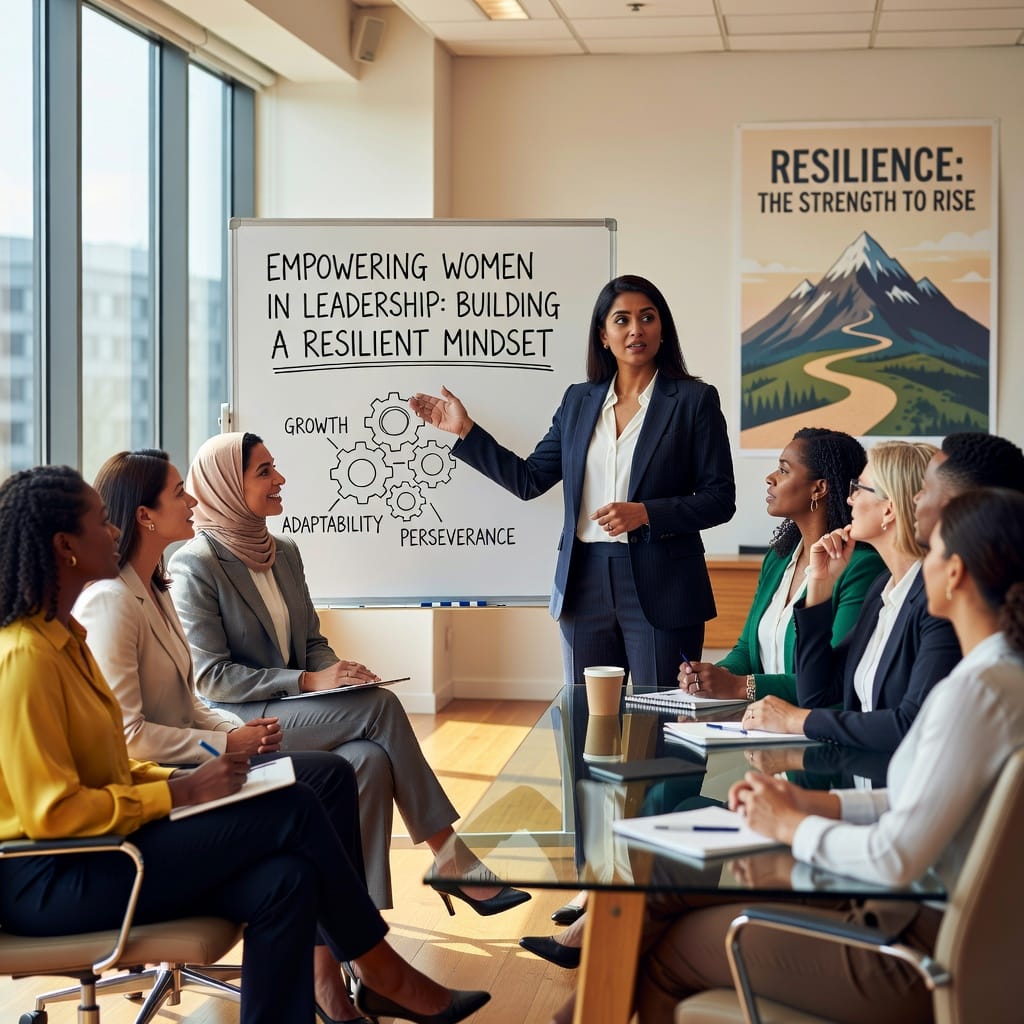
Ready to cultivate this mindset? Let’s get into actionable ways. First, embrace growth. Carol Dweck’s research on growth vs. fixed mindsets is a game-changer. Fixed mindsets say talents are set in stone; growth ones believe in development through effort. For women in leadership, this means viewing skills like public speaking or decision-making as learnable.
Start with affirmations. Repeat phrases like “I am capable of leading with impact.” It sounds cheesy, but science backs it—positive self-talk boosts confidence. Pair it with visualization. Picture yourself in that boardroom, making decisions that matter.
Networking is crucial. Join groups like women’s leadership forums. These spaces offer mentorship and peer support. Mentors provide guidance, helping navigate politics and promotions. Remember, it’s not just about who you know, but building genuine connections.
Seek feedback actively. Ask trusted colleagues what you do well and where to improve. This vulnerability strengthens your leadership presence. Women often undervalue their contributions; feedback reminds you of your worth.
Time management feeds into mindset too. Leadership demands balance. Techniques like the Eisenhower Matrix help prioritize tasks, reducing overwhelm. When women feel in control, their confidence soars.
Don’t forget self-care. Burnout hits hard in demanding roles. Regular exercise, sleep, and hobbies recharge you. A rested mind is sharper for big decisions.
Books can transform thinking. For a great read on this, pick up “Lean In: Women, Work, and the Will to Lead” by Sheryl Sandberg. Available on Amazon here. It’s packed with stories and strategies that align perfectly with empowering women in leadership roles mindset.
Real-Life Examples of Women Embracing This Mindset
Stories make it real. Take Indra Nooyi, former PepsiCo CEO. She climbed ranks in a male-dominated field by focusing on bold ideas and empathy. Nooyi credited her success to a mindset of curiosity and learning, even challenging industry norms.
Closer to home, consider local leaders. Many women in consulting firms, like those we’ve worked with at Infinite Power Consulting, shifted mindsets through targeted coaching. Our leadership development portfolio showcases transformations where women gained tools to lead teams effectively.
Another inspiring figure is Melinda Gates. Through her foundation, she’s empowered women globally by addressing education and health barriers. Her mindset? Systemic change starts with individual empowerment. Gates often speaks on quieting inner critics to amplify voices.
In tech, Reshma Saujani founded Girls Who Code to build confidence in young girls for STEM leadership. Her book “Brave, Not Perfect” echoes the empowering women in leadership roles mindset—encouraging risk over perfection.
These women didn’t start with all answers. They built mindsets through trials. Nooyi’s immigrant background taught resilience; Gates’ privilege fueled giving back. Common thread? They believed in their potential and acted on it.
Strategies for Organizations to Support Empowering Women in Leadership Roles Mindset
It’s not just on women; companies must step up. Inclusive policies like equal pay and parental leave create fertile ground. Training programs on unconscious bias help all employees see women’s potential equally.
Mentorship initiatives pair junior women with execs. This accelerates growth, sharing insights on navigating corporate ladders. Some firms use sponsorship, where leaders advocate for promotions—going beyond advice to action.
Diversity quotas get debated, but when done right, they open doors. Pair them with support, and they foster genuine empowering women in leadership roles mindset. Track progress with metrics; celebrate milestones to build momentum.
Culture matters. Foster environments where women can speak up without fear. Psychological safety, per Google’s Project Aristotle, boosts innovation. When women feel safe, they lead more freely.
Remote work trends help too. Flexible setups let women balance life and career, reducing dropout rates. Tools like Slack or Zoom make collaboration seamless, amplifying voices.
Leaders should model this. Male allies, by amplifying women’s ideas in meetings, shift dynamics. Everyone benefits from stronger teams.
Overcoming Common Challenges in This Journey
Challenges persist, even with a strong mindset. One is work-life integration. Women often juggle more home duties. Reframe it: boundaries aren’t weaknesses; they’re smart strategies. Delegate at work and home.
Dealing with sexism? Respond with poise. Document incidents and seek HR support if needed. An empowering women in leadership roles mindset includes advocacy—for yourself and others.
Isolation can creep in at high levels. Combat it with peer groups. Sharing struggles normalizes them, turning doubt into solidarity.
Failure stings, but view it as data. What went wrong? Adjust and move. Women like J.K. Rowling faced rejections yet persisted, mindset intact.
Health hurdles, like menopause, affect many mid-career women. Open conversations destigmatize them, allowing focus on leadership.
Stay adaptable. The world changes fast—AI, pandemics. A flexible mindset keeps you ahead.
Nurturing Long-Term Growth and Impact
Sustaining this mindset is ongoing. Set goals yearly, like leading a project or speaking at events. Track progress to see evolution.
Give back. Mentor younger women, paying it forward. This reinforces your own growth, creating ripples.
Community involvement expands horizons. Volunteer leadership in nonprofits builds skills and networks.
Reflect often. What fired you up this year? Adjust accordingly. Life stages shift priorities; stay true to your core.
In essence, empowering women in leadership roles mindset is transformative. It’s about claiming space, challenging norms, and inspiring others. As more women embrace it, leadership landscapes change. You’re not alone—join the movement, step by step. The impact? Endless possibilities for you and those you lead.