The Power of Persuasion: Unlocking Influence in Everyday Life
In a world where ideas compete for attention, the ability to persuade others stands as one of the most potent tools for success. Whether closing a business deal, rallying support for a cause, or simply convincing a friend to try a new restaurant, persuasion shapes outcomes and drives change. But what makes persuasion so powerful? At its core, it’s the art of influencing thoughts, feelings, and actions through communication, psychology, and strategy. Far from manipulation, ethical persuasion builds trust and fosters mutual benefit. This article explores the foundations, principles, real-world applications, and ethical boundaries of persuasion, revealing how mastering it can transform your personal and professional life.
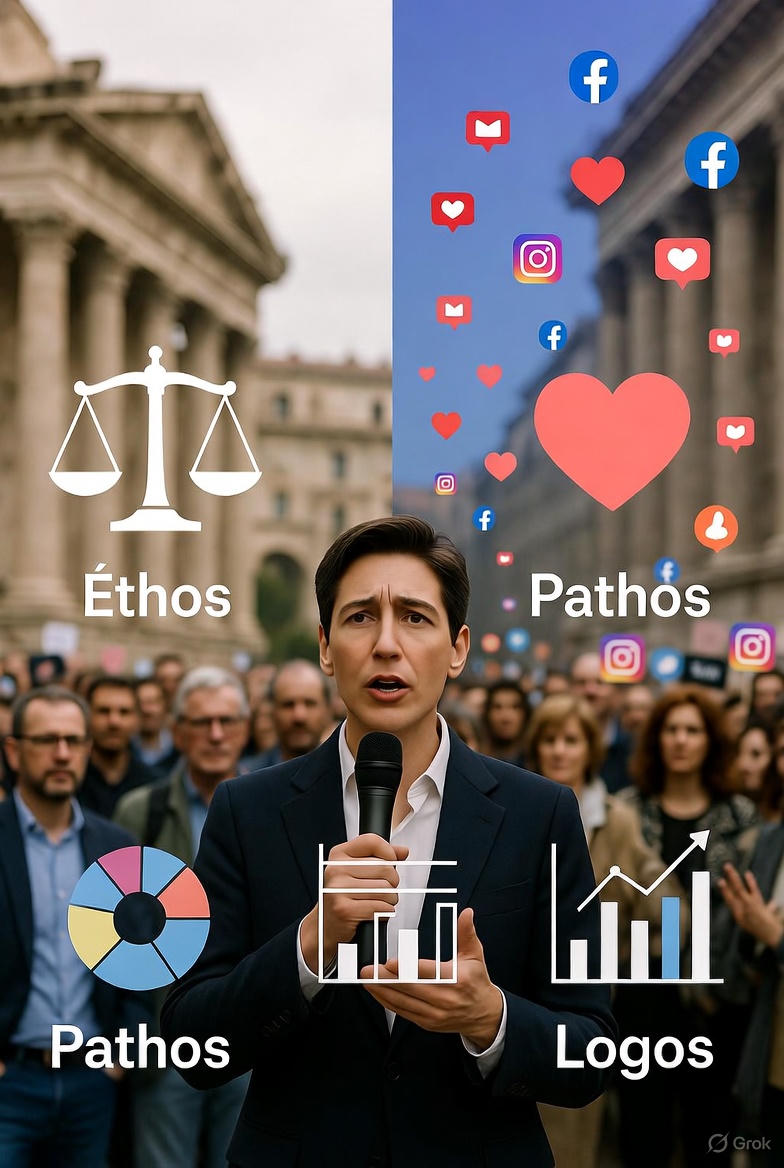
The roots of persuasion trace back to ancient times. Aristotle, the Greek philosopher, outlined its essentials in his work *Rhetoric* over 2,300 years ago. He identified three modes: ethos (credibility), pathos (emotion), and logos (logic). Ethos establishes the speaker’s authority—why should anyone listen to you? Pathos taps into emotions, making arguments resonate on a human level. Logos relies on facts and reasoning to build a solid case. These pillars remain relevant today, forming the backbone of everything from courtroom arguments to viral marketing campaigns.
Fast-forward to the modern era, and psychologist Robert Cialdini has become the go-to expert on persuasion. In his seminal book *Influence: The Psychology of Persuasion*, first published in 1984 and updated in recent years, Cialdini distills decades of research into six key principles: reciprocity, scarcity, authority, consistency, liking, and social proof. These aren’t just abstract concepts; they’re wired into human behavior, evolved from our social instincts.
Reciprocity is perhaps the simplest yet most effective. People feel compelled to return favors. Think of free samples at a grocery store—they’re not just generous; they’re a calculated move to encourage purchases. In business, offering value upfront, like a free consultation or ebook, primes clients to reciprocate with their business. Scarcity leverages our fear of missing out. Limited-time offers or “only a few left in stock” messages on e-commerce sites create urgency, boosting sales. Authority taps into our trust in experts; endorsements from doctors or celebrities lend credibility to products.
Consistency draws on our desire to align actions with commitments. Once someone agrees to a small request, they’re more likely to say yes to a larger one—a technique called the “foot-in-the-door” method. Liking reminds us that we’re more persuadable by people we admire or relate to. Charismatic leaders or influencers build rapport through shared interests or compliments. Finally, social proof shows that we look to others for cues; reviews, testimonials, and crowd behavior sway decisions, as seen in the rapid spread of trends on social media.
These principles aren’t confined to theory—they power real-world triumphs and pitfalls. In politics, persuasion can sway elections. Consider Barack Obama’s 2008 campaign, which masterfully used social proof and liking. His slogan “Yes We Can” fostered a sense of collective momentum, while his relatable persona—sharing stories of his upbringing—built emotional connections. On the flip side, misinformation campaigns, like those during the 2016 U.S. election, exploited authority by spreading fake endorsements, highlighting persuasion’s darker potential.
In business, companies like Apple excel at persuasion. Steve Jobs’ product launches weren’t mere announcements; they were theatrical events blending logos (innovative features), pathos (aspirational storytelling), and ethos (Jobs’ visionary status). The result? Lines around stores and billions in revenue. Marketing giants like Coca-Cola use reciprocity in holiday ads, evoking warmth and nostalgia to associate their brand with joy, encouraging loyalty.
Everyday life offers countless examples too. Parents persuade children to eat vegetables by appealing to authority (“Doctors say it’s good for you”) or scarcity (“This is the last piece!”). In negotiations, salespeople use consistency by getting buyers to verbalize preferences early, making it harder to back out later. Even in relationships, persuasion helps resolve conflicts—framing requests with empathy (pathos) and evidence (logos) can turn arguments into agreements.
But why does persuasion work so well? Psychology provides clues. Our brains are wired for efficiency, relying on heuristics—mental shortcuts—to make quick decisions. In a fast-paced world overloaded with information, we can’t analyze everything deeply, so we default to trust signals like authority or social proof. Neuroscientist Antonio Damasio’s research shows emotions play a crucial role; without them, logical decision-making falters. Persuasion hijacks these processes, guiding choices subtly.
Yet, this power demands responsibility. The line between persuasion and manipulation blurs when intent shifts from mutual gain to exploitation. Ethical persuasion respects autonomy, provides accurate information, and avoids coercion. For instance, in advertising, the Federal Trade Commission regulates deceptive claims to protect consumers. Unethical uses, like cult leaders employing scarcity and authority to control followers, demonstrate the risks. History is rife with examples: Adolf Hitler’s propaganda machine used repetition (a form of social proof) and emotional appeals to tragic ends.
To wield persuasion ethically and effectively, one must develop skills. Start with self-awareness—understand your biases and motivations. Active listening builds rapport, showing respect and uncovering others’ needs. Tailor messages: What resonates with a data-driven executive might bore a creative artist. Practice storytelling; narratives engage pathos better than dry facts. For logos, back claims with evidence—statistics, studies, or analogies.
Building ethos requires consistency and expertise. Share credentials humbly, and demonstrate reliability through actions. To harness liking, find common ground—mirroring body language or using inclusive language like “we” fosters connection. For social proof, highlight genuine testimonials, not fabricated ones.
Training can accelerate mastery. Toastmasters International offers public speaking practice, emphasizing Aristotle’s modes. Books like Cialdini’s, or Dale Carnegie’s *How to Win Friends and Influence People*, provide timeless advice. Online courses on platforms like Coursera cover negotiation and influence, often drawing from behavioral economics.
In today’s digital age, persuasion evolves. Social media amplifies reach but demands authenticity—fake influence erodes trust quickly. Algorithms favor engaging content, rewarding persuasive posts with visibility. Influencers like MrBeast use scarcity (limited merch drops) and reciprocity (giveaways) to build empires. AI tools, like chatbots, persuade through personalized recommendations, raising new ethical questions about transparency.
The power of persuasion extends to societal change. Activists like Martin Luther King Jr. used pathos in speeches like “I Have a Dream,” painting vivid emotional pictures while grounding them in moral authority. Environmental campaigns, such as those by Greta Thunberg, leverage social proof through global strikes, pressuring leaders.
Ultimately, persuasion empowers individuals to lead, innovate, and connect. It turns ideas into movements, products into successes, and conflicts into collaborations. But its strength lies in balance—use it to uplift, not deceive. As you navigate life’s interactions, remember: True persuasion isn’t about winning arguments; it’s about creating win-win scenarios.
By honing these skills, anyone can amplify their impact. Start small—persuade a colleague to adopt your idea, or convince yourself to pursue a goal. The ripple effects can be profound, proving that in a connected world, the power to persuade is the power to shape destiny.