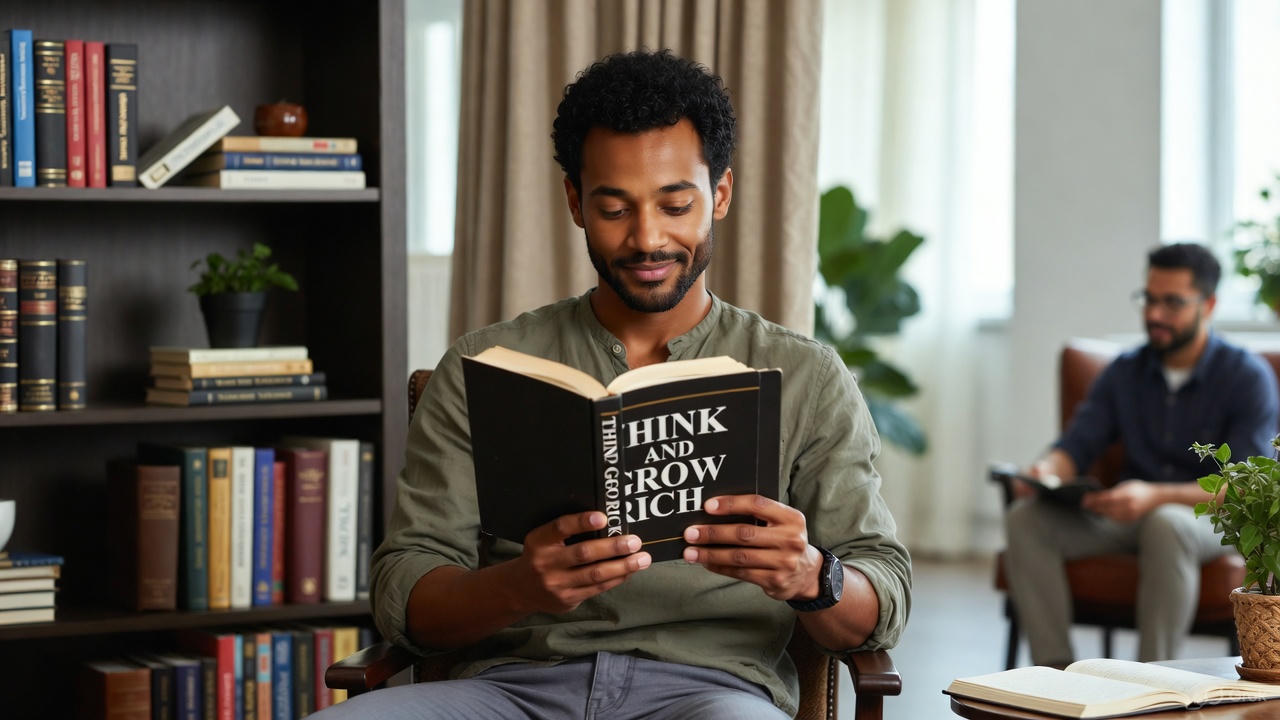
Your Guide to Self Development: Answers to Common Questions
Self development—also commonly referred to as personal development or self-improvement—is the intentional, lifelong journey of enhancing your skills, mindset, habits, emotional intelligence, physical health, relationships, and overall well-being. By committing to self development, you unlock your full potential, build greater resilience, and create a more purposeful, fulfilling life in an ever-changing world.
Whether you’re seeking career advancement, better mental health, stronger relationships, or simply more happiness and confidence, self development provides the tools and strategies to evolve intentionally rather than letting life happen by default. In this comprehensive guide, we answer the most frequently asked questions about self development to help you start and sustain your growth journey effectively.
What is Self Development?
Self development is the proactive process of consciously improving multiple areas of your life: physical (fitness and energy), emotional (resilience and emotional regulation), mental (learning, focus, and mindset), social (communication and relationships), spiritual (purpose and inner peace), and professional (skills, productivity, and career progress).
Unlike passive personal changes that occur over time, true self development involves deliberate actions such as:
Learning new skills through books, courses, or podcasts
Building empowering habits like daily exercise or meditation
Reflecting deeply via journaling or self-assessment
Setting clear, actionable goals
Seeking feedback from mentors, coaches, or trusted peers
The ultimate aim of self development is to become the best version of yourself—more authentic, capable, and fulfilled—while positively impacting those around you.
Why is Self Development Important?
Prioritizing self development delivers powerful, evidence-based benefits that compound over time. It dramatically increases self-awareness, helping you recognize strengths, weaknesses, values, and limiting beliefs. This clarity builds unshakable confidence and resilience, enabling you to handle challenges with grace.
Research consistently links personal growth efforts to higher emotional intelligence, reduced stress, stronger relationships, and greater life satisfaction. Professionally, those who invest in self development often see accelerated career growth, improved performance, and even salary increases—sometimes significantly higher than non-learners.
In today’s fast-paced environment—with constant technological shifts, economic uncertainty, and evolving personal demands—self development equips you to adapt, thrive, and avoid stagnation or regret. It’s not optional; it’s essential for long-term happiness and success.

How Do I Start with Self Development?
Starting your self development journey doesn’t require perfection or massive changes—just consistent, small steps. Here’s a practical roadmap:
1. Practice self-reflection — Dedicate time to honest assessment. Ask powerful questions: What am I proud of? Where do I feel stuck? What core values drive me? What goals truly excite me?
2. Use simple tools — Try 6 Minutes to Success first thing in the morning for 30 days. This will ensure your mindset is properly set early, which will set the tone for your day.
3. Choose 1–2 focus areas — Pick something achievable, like improving daily energy through better sleep or building knowledge with 20 minutes of reading.
4. Set micro-goals — Start tiny to build momentum (e.g., 5-minute meditation instead of 30).
5. Track progress — Review weekly to celebrate wins and adjust.
Momentum builds quickly when you stay consistent and kind to yourself.
What Are the Best Ways to Practice Self Development?
Effective self development combines proven, complementary practices:
Read personal growth books and listen to podcasts for fresh insights and strategies.
Journal daily to process experiences, express gratitude, and uncover patterns.
Set SMART goals (Specific, Measurable, Achievable, Relevant, Time-bound) and review progress regularly.
-Build positive habits — Prioritize exercise, meditation, healthy nutrition, quality sleep, and skill-building routines. Use techniques like habit-stacking for easier adoption.
Seek constructive feedback and treat failures as valuable learning opportunities.
Surround yourself with inspiring people — Join communities, accountability groups, or masterminds.
Practice mindfulness or meditation to strengthen focus and emotional balance.
Invest in continuous learning — Take online courses, workshops, or certifications.
Consistency across these areas creates exponential growth.
How Long Does Self Development Take?
Self development is a lifelong process with no final destination—growth never truly stops. That said, tangible results appear faster than most expect:
New habits often become automatic in an average of 66 days (with a range of 18–254 days depending on complexity).
Mindset shifts, confidence boosts, and skill mastery typically unfold over months to years.
The real magic happens through compounding: small daily improvements lead to dramatic transformations over time.
Patience and persistence are your greatest allies.

Is Self Development the Same as Therapy or Coaching?
No, though they overlap beautifully and often work together:
Therapy focuses on healing mental health challenges, trauma, anxiety, depression, or past wounds.
Coaching emphasizes forward-focused goal setting, action planning, and accountability for specific outcomes.
Self development is broader and largely self-directed—encompassing daily habits, reflection, learning, and personal practices.
Many people combine therapy for emotional healing, coaching for targeted achievement, and ongoing self development for sustained evolution.
Can Anyone Do Self Development?
Yes—self development is truly for everyone, regardless of age, background, income, education, or current life stage. The only requirement is a genuine willingness to reflect honestly and take consistent action.
From teenagers forming foundational habits to retirees pursuing new passions, growth remains possible at every point. Low-cost or free resources (library books, YouTube, podcasts, walking for exercise, online forums) remove most barriers.
What If I Feel Overwhelmed or Fail Along the Way?
Overwhelm and setbacks are normal parts of self development. To navigate them:
Start microscopically small to prevent burnout.
View failure as data—analyze without self-judgment and adjust.
Practice self-compassion—speak to yourself with the kindness you’d offer a friend.
Celebrate micro-wins to maintain motivation.
Avoid common traps like perfectionism, comparison, or overloading with too many changes.
Progress is rarely linear—focus on persistence over perfection.
Recommended Resources for Self Development
Timeless classics that deliver lasting value:
Modern favorites include The Let Them Theory by Mel Robbins and The Mountain Is You by Brianna Wiest.
Top podcasts: The Mel Robbins Podcast, Huberman Lab, The Happiness Lab, Ten Percent Happier, and The Ed Mylett Show.
Helpful apps: Habitica (gamified habit tracking), Headspace (guided meditation), and journaling tools like Day One.
Ready to kickstart your self development journey? Reflect on this powerful question today: What one small change in my self development routine could create the biggest positive impact right now?
Whether it’s a short walk, one chapter of reading, or three gratitude entries in your journal, remember: extraordinary transformation comes from ordinary, consistent effort. Your best self is already emerging—one intentional step at a time.