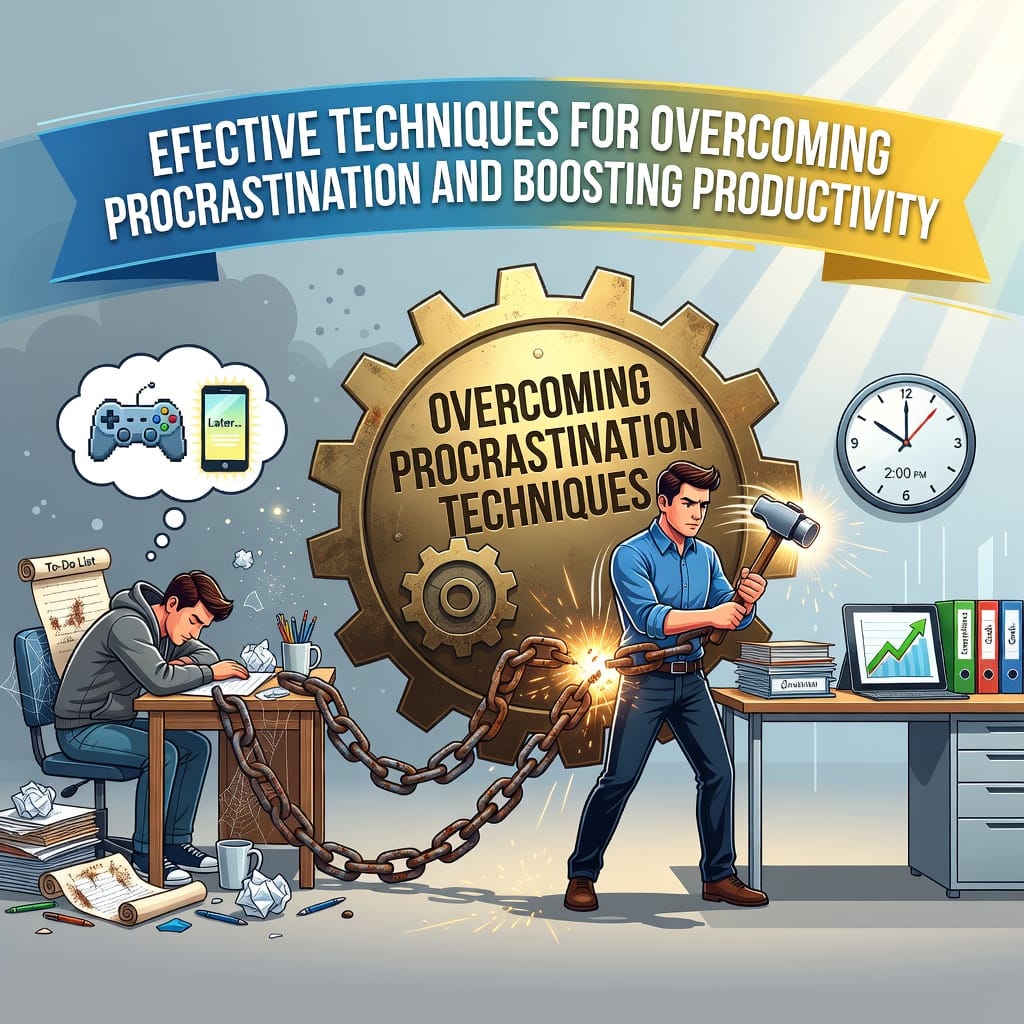
Why Procrastination Holds You Back and How to Break Free
Have you ever stared at a task, knowing you need to get it done, but something inside just pulls you toward your phone or the fridge instead? You’re not alone. Procrastination is that sneaky habit that sneaks up on all of us, turning simple jobs into mountains we avoid climbing. But the good news is there are real ways to fight back. In this post, we’ll dive into overcoming procrastination techniques that actually work, drawing from everyday experiences and proven strategies to help you regain control.
Procrastination isn’t just laziness—it’s often a mix of fear, overwhelm, or even perfectionism. Understanding it is the first step toward beating it. Let’s explore why it happens and then jump into practical steps you can start using today.
Understanding the Roots of Procrastination
Before we tackle how to overcome procrastination, it’s worth unpacking why we do it in the first place. At its core, procrastination is a delay tactic. Our brains crave instant rewards, and when a task feels boring, hard, or uncertain, we opt for quick hits of dopamine from scrolling social media or watching videos.
Psychologists point to several triggers. Fear of failure tops the list—nobody wants to start something and mess it up. Then there’s overwhelm: when a project looks too big, we freeze. Distractions in our environment, like constant notifications, don’t help either. Even poor sleep or stress can make us more prone to putting things off.
Recognizing these patterns is key. Once you see procrastination for what it is—a protective mechanism gone wrong—you can start dismantling it. Think of it as debugging your own habits. Many people find relief just by journaling about what trips them up. What about you? Is it emails piling up or that report you’ve been avoiding?
The Impact of Procrastination on Your Life
Procrastination doesn’t just waste time; it can ripple out in big ways. Short-term, it leaves you stressed as deadlines loom. Long-term, it erodes self-confidence. You might miss opportunities, like promotions at work or personal goals, because you’re stuck in a cycle of delay.
Studies show chronic procrastinators often face higher anxiety levels and even physical health issues from built-up stress. In relationships, it can cause tension if you’re always last-minute with commitments. Professionally, it hampers productivity—imagine how much more you could achieve with consistent effort.
But here’s the flip side: overcoming procrastination techniques can transform this. People who beat it report feeling more energized, accomplished, and in control. It’s like unlocking a hidden level of your potential. If you’re ready to make that shift, keep reading for tools that fit into real life.
Start Small: The Power of the Two-Minute Rule
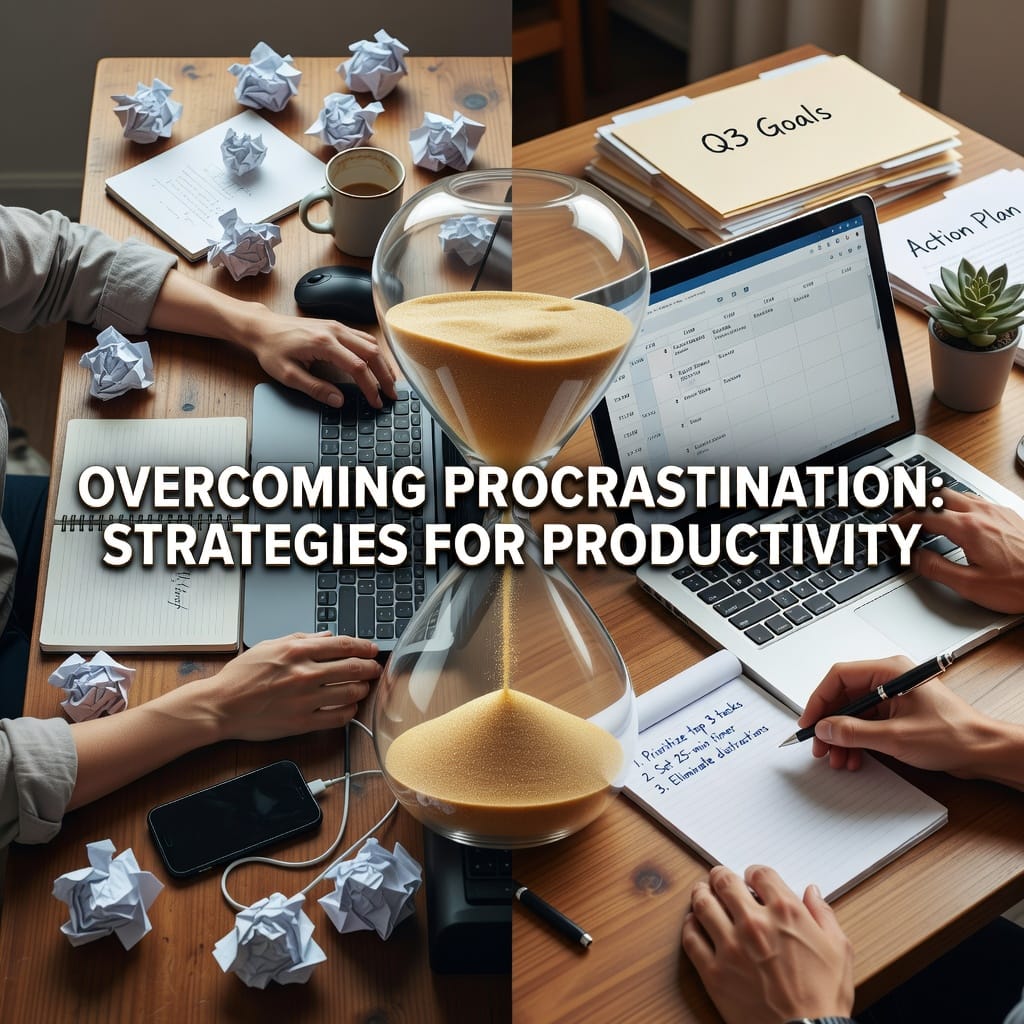
One of the simplest overcoming procrastination techniques is the two-minute rule, popularized by productivity guru David Allen. The idea? If a task takes less than two minutes, do it right now. Replying to that quick email? Filing a paper? Just knock it out.
This works because it builds momentum. Procrastination thrives on inertia, and small wins create a positive loop. Your brain starts associating action with reward, making bigger tasks less daunting.
Try it tomorrow morning. Look at your to-do list and tackle the tiny ones first. Before you know it, you’ll have cleared mental clutter and feel ready for more. It’s not magic, but it’s a game-changer for anyone overwhelmed by their workload.
For deeper insights, check out our Productivity Tips for Entrepreneurs post, where we explore how this rule fits into business routines.
Break It Down: Task Chunking for Big Projects
Big tasks are procrastination magnets. Overcoming procrastination techniques like task chunking turn giants into manageable bites. Instead of “write the report,” break it into “outline key points” or “research stats for section one.”
Why does this help? Our brains handle small goals better, releasing feel-good chemicals each time we finish one. It’s like eating a meal one bite at a time—suddenly, it’s doable.
Here’s how to chunk effectively:
- Identify the main goal.
- List 3-5 sub-steps.
- Set time limits for each, say 25 minutes.
- Reward yourself after, like a short walk.
I once used this for a presentation that scared me. Breaking it into slides made it fly by. Give it a shot on your next project; you’ll be amazed at the progress.
Harness the Pomodoro Technique
If focus is your nemesis, the Pomodoro technique is a star among overcoming procrastination techniques. Created by Francesco Cirillo, it involves working in 25-minute bursts (one “Pomodoro”) followed by 5-minute breaks. After four cycles, take a longer 15-30 minute rest.
This method fights mental fatigue by building in recovery time. It also creates urgency—knowing the timer is ticking pushes you to start without overthinking.
To get started:
- Choose a task.
- Set a timer for 25 minutes.
- Work solely on that task—no distractions.
- Break when it dings, then repeat.
Apps like Tomato Timer make it easy, but a simple kitchen timer works too. Many swear by it for studying or creative work. I’ve found it perfect for writing sessions, turning hours of avoidance into steady output.
Prioritize Like a Pro: Using the Eisenhower Matrix
Not all tasks deserve equal attention, and the Eisenhower Matrix helps sort them. Named after President Dwight D. Eisenhower, this tool categorizes tasks by urgency and importance into four quadrants:
- Urgent and important: Do now (crises).
- Important but not urgent: Schedule (long-term goals).
- Urgent but not important: Delegate (if possible).
- Neither: Delete or postpone.
Overcoming procrastination techniques shine when combined with prioritization. This matrix clears the noise, letting you focus on what matters.
Draw a quick grid on paper or use a digital version. Review your list daily. It cuts decision fatigue and ensures you’re not just busy, but effective. In our Client Success Story in Portfolio, we saw a manager double her output by applying this—proof it works in real-world consulting.
Build Accountability to Stay on Track
Going solo with tasks invites procrastination. Enter accountability: sharing your goals with someone else. This could be a friend, colleague, or coach who checks in regularly.
Why it works? Social pressure motivates us. Knowing someone’s watching makes backing out harder. Apps like StickK let you bet money on your success, adding stakes.
Simple ways to build it:
- Weekly check-ins with a buddy.
- Join online groups for shared goals.
- Use habit-tracking apps with reminders.
I pair this with a work partner for quarterly projects—it’s kept me honest. Try finding your accountability ally; it’s a quiet but powerful overcoming procrastination technique.
Tackle the Emotional Side: Mindfulness and Self-Compassion
Procrastination often stems from emotions, so overcoming procrastination techniques must address the heart. Mindfulness—being present without judgment—helps spot avoidance patterns early.
Practices like meditation apps (Headspace or Calm) train your mind to refocus. Start with 5 minutes a day, noticing urges to procrastinate without acting on them.
Self-compassion is key too. Instead of beating yourself up for delaying, say, “It’s okay, I’ll start now.” Research from Kristin Neff shows this reduces shame cycles, making action easier.
Combine mindfulness with journaling: note what emotions trigger your delays. Over time, you’ll rewire responses. It’s gentler than forcing willpower and leads to lasting change.
Create an Environment That Works for You
Your surroundings influence habits big time. Overcoming procrastination techniques include tweaking your space to minimize temptations. Clear your desk of distractions, use website blockers like Freedom during work blocks, and set up cues—like placing workout clothes by the door for exercise goals.
Lighting, noise levels, and ergonomics matter. A comfy chair and good light boost focus. If home office life blurs boundaries, designate a “work zone” only for tasks.
Small changes yield big results. I dim notifications and play focus music—productivity soars. Experiment to find your setup; it’s about making starting effortless.
Leverage Rewards and Habit Stacking
Our brains love rewards, so use them strategically. After completing a tough task, treat yourself—coffee, a chapter of a book, or a quick game. This links effort to pleasure, weakening procrastination’s pull.
Habit stacking builds on existing routines. From James Clear’s Atomic Habits, attach a new habit to an old one, like “after brushing teeth, plan my top three tasks.” It’s seamless and reinforces consistency.
Examples:
- Pair email checks with reviewing priorities.
- Stack reading with morning coffee.
This method turns overcoming procrastination techniques into automatic behaviors. For more on habit-building, picking up “Atomic Habits” on Amazon is a smart move—it’s packed with actionable advice.
Overcome Perfectionism: Done is Better Than Perfect
Perfectionism fuels procrastination by making us wait for ideal conditions. Overcoming procrastination techniques remind us: progress beats perfection.
Set “good enough” standards for first drafts. Use the 80/20 rule—80% of results from 20% effort. Edit later; starting is the win.
Reframe thoughts: instead of “It has to be flawless,” think “What’s the next step?” This shifts from fear to curiosity.
In creative fields, this frees flow. Writers block less when embracing messiness. Apply it to your life—watch tasks shrink.
Tools and Apps to Boost Your Efforts
Tech can amplify overcoming procrastination techniques. Beyond timers, try:
- Todoist for task management.
- Forest app, which grows virtual trees as you focus (and kills them if you stray).
- RescueTime to track time leaks.
Integrate them without overload—one or two max. Track what helps; ditch what doesn’t. These aren’t crutches but allies in your fight.
Real-Life Stories: How Others Beat Procrastination
Hearing successes inspires. Take Sarah, a teacher drowning in grading. She used Pomodoro and chunking, finishing weeks early. Or Mike, an entrepreneur: Eisenhower Matrix cleared his plate, leading to business growth.
These aren’t outliers. In our consulting work, we’ve seen clients transform using tailored overcoming procrastination techniques. Your story can join them—just start one today.
Sustaining Momentum Long-Term
Beating procrastination isn’t a one-off; it’s a practice. Review weekly: what worked? Adjust as needed. Celebrate milestones to stay motivated.
Surround yourself with positive influences—podcasts like “The Tim Ferriss Show” or books on mindset. If slips happen, no big deal; recommit gently.
Over time, these techniques become second nature. You’ll look back and wonder why you ever delayed. The freedom? Priceless.
As you experiment, remember: small, consistent steps lead to big shifts. You’ve got this—now go tackle that task.