
Understanding Emotional Resilience
Emotional resilience is like the inner strength that helps you bounce back from life’s ups and downs. It’s not about avoiding tough feelings but learning to handle them without letting them knock you over. In our busy world, building emotional resilience in daily life can make a big difference in how you feel every day.
Think about it: stress at work, family arguments, or unexpected changes can wear anyone down. But with some simple habits, you can build a tougher emotional core. This isn’t about being superhuman—it’s about small steps that add up over time.
I’ve seen it in my own life. When I started focusing on building emotional resilience in daily life, things like traffic jams or deadlines didn’t rattle me as much. It’s empowering to take control of your emotions instead of letting them control you.
Why Emotional Resilience Matters Every Day
Life throws curveballs, and emotional resilience helps you catch them. Without it, small problems can feel overwhelming, leading to anxiety or burnout. Building emotional resilience in daily life means you’re better equipped to handle whatever comes your way.
Consider the benefits. Resilient people often report lower stress levels and better relationships. They sleep better and even make smarter decisions under pressure. It’s like upgrading your mental toolkit.
In a fast-paced society, where social media highlights everyone else’s perfect moments, it’s easy to feel inadequate. But focusing on building emotional resilience in daily life shifts your perspective. You start valuing progress over perfection.
Research backs this up too. Studies from psychologists show that resilient individuals recover quicker from setbacks. It’s not magic—it’s practice.
The Foundations of Building Emotional Resilience
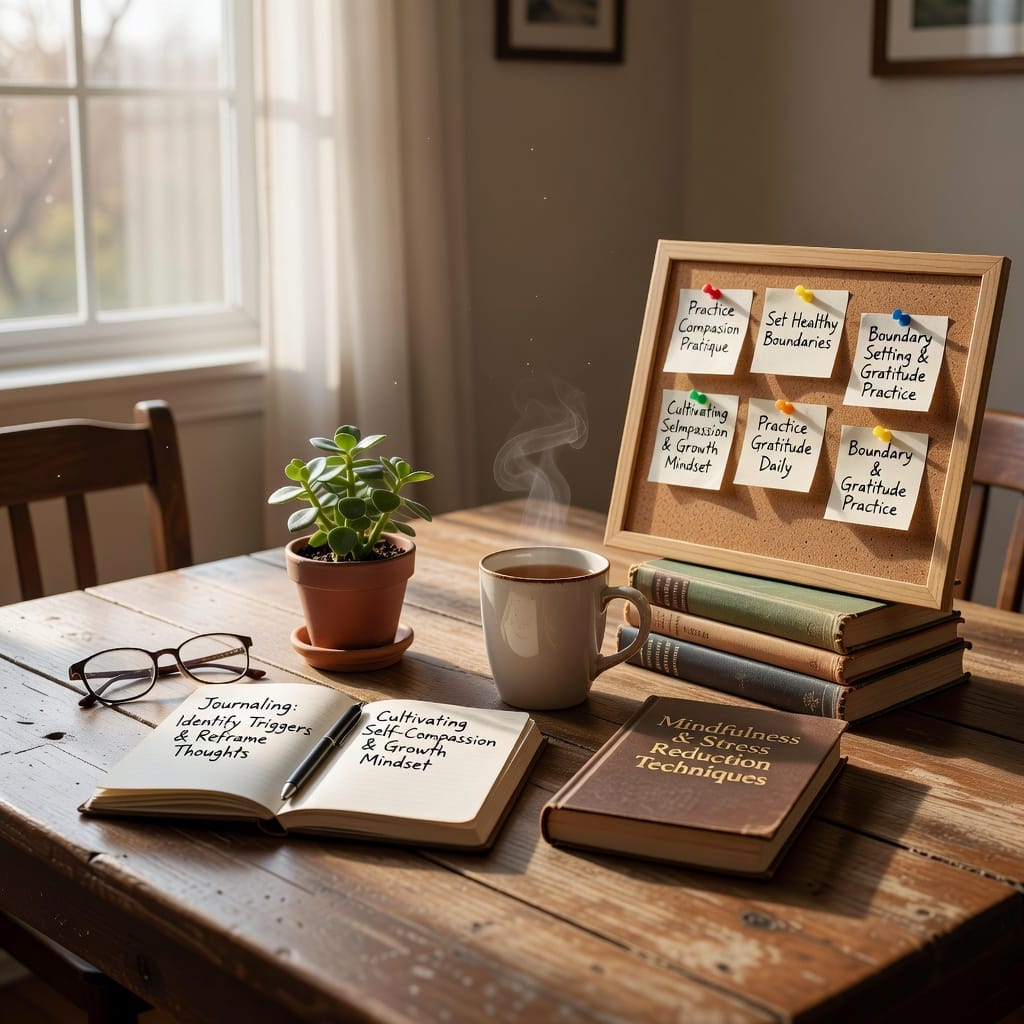
To start building emotional resilience in daily life, you need a strong foundation. This begins with self-awareness. Knowing your triggers—those things that set off negative emotions—lets you prepare and respond better.
Start by paying attention to your feelings. When you’re upset, pause and ask: What am I really feeling? Why? This simple check-in can prevent small frustrations from snowballing.
Another key is acceptance. Building emotional resilience in daily life involves embracing that it’s okay to feel sad or angry sometimes. Fighting emotions only makes them stronger. Instead, acknowledge them and let them pass like clouds in the sky.
Mindset plays a huge role here. Shift from “Why me?” to “What can I learn?” This growth mindset, as experts call it, turns challenges into opportunities for building emotional resilience.
Daily Practices to Build Your Resilience
Incorporating habits into your routine is where building emotional resilience in daily life really shines. You don’t need hours a day—just consistent, small actions.
Start with Mindfulness
Mindfulness is a game-changer. It’s about being present in the moment without judgment. Even five minutes of deep breathing can center you.
Try this: Sit quietly, focus on your breath. Inhale for four counts, hold for four, exhale for four. Do this when stress creeps in. Over time, it builds emotional resilience in daily life by training your brain to stay calm.
For more tips, check out our blog post on mindfulness practices for stress relief.
Journaling Your Way to Strength
Journaling is like a conversation with yourself. Writing down thoughts helps process emotions and spot patterns.
Each evening, jot three things: What went well? What challenged you? How did you handle it? This reflection strengthens your ability to build emotional resilience in daily life.
Don’t worry about grammar—just let it flow. Over weeks, you’ll notice patterns and improvements.
Move Your Body, Lift Your Spirits
Exercise isn’t just for fitness; it’s a powerhouse for emotional health. Physical activity releases endorphins, those feel-good chemicals that fight stress.
Aim for 30 minutes a day—walking, yoga, or dancing. It doesn’t have to be intense. Building emotional resilience in daily life through movement helps you feel more capable and confident.
If you’re into yoga, grab this Yoga for Beginners mat on Amazon to get started comfortably.
Build a Support Network
You’re not alone in this. Connecting with others builds emotional resilience in daily life like nothing else.
Reach out to friends or family weekly. Share your wins and struggles. Sometimes, just talking lightens the load.
If you need professional guidance, explore our portfolio of emotional wellness coaching services for personalized support.
Overcoming Common Challenges
Building emotional resilience in daily life isn’t always smooth. Setbacks happen, and that’s normal.
One big hurdle is perfectionism. If you’re too hard on yourself, small failures can crush your spirit. Counter this by celebrating small wins. Did you handle a tough conversation? Pat yourself on the back.
Another challenge is isolation. In our digital age, it’s easy to retreat into screens. Make a point to connect face-to-face. Even a quick call can recharge your emotional battery.
Time constraints are real too. If your schedule is packed, prioritize. Swap 10 minutes of scrolling for a breathing exercise. It’s about quality, not quantity, when building emotional resilience.
Real-Life Stories of Resilience
Hearing from others can inspire your own journey in building emotional resilience in daily life. Take Sarah, a working mom I know. She used to dread Mondays, overwhelmed by work and kids.
She started small: morning journaling and evening walks. Within months, she felt more in control. “It’s like I have an inner shield now,” she says.
Then there’s Mike, who faced job loss during the pandemic. Instead of panicking, he leaned on mindfulness apps and talked to buddies. He landed a better role, crediting his resilience practices for keeping him steady.
These stories show it’s possible. You don’t need a major crisis to start—every day is a chance to build emotional resilience.
Integrating Resilience into Work and Relationships
Work can test your emotional limits, but building emotional resilience in daily life helps there too. Set boundaries, like saying no to extra tasks when needed. It protects your energy.
In meetings, practice active listening. This reduces misunderstandings and builds stronger team bonds.
At home, emotional resilience smooths family life. When arguments arise, take a breath before responding. It prevents escalation and fosters understanding.
Teach kids about it too. Share simple tools like breathing games. Early habits set them up for success.
Nutrition and Sleep: The Unsung Heroes
Don’t overlook the basics. What you eat and how you sleep directly impact building emotional resilience in daily life.
A balanced diet with fruits, veggies, and whole grains stabilizes mood. Avoid sugar crashes that amp up anxiety.
Sleep is crucial—aim for 7-9 hours. Create a wind-down routine: dim lights, no screens an hour before bed. Good rest equips you to face the day resiliently.
If caffeine keeps you up, switch to herbal teas. Small tweaks yield big emotional gains.
Long-Term Strategies for Lasting Resilience
Building emotional resilience in daily life is a marathon, not a sprint. Track your progress monthly. What worked? Adjust as needed.
Seek inspiration from books or podcasts. One great read is “The Gifts of Imperfection” by Brené Brown—it dives into embracing vulnerability, a key to resilience.
Consider therapy if deeper issues linger. It’s a strong step toward emotional fortitude.
Surround yourself with positive influences. Curate your media intake—limit negativity, seek uplifting content.
Handling Major Setbacks with Grace
Life’s big hits test your resilience the most. Whether it’s loss or failure, remember: feelings are temporary.
Allow grief time, but don’t dwell. Seek support, then focus on action. What next step feels right?
Building emotional resilience in daily life prepares you for these moments. You’ve built tools—use them.
Reflect afterward: What strengthened me? This turns pain into wisdom.
Making It a Lifestyle
As you weave these practices in, building emotional resilience in daily life becomes second nature. You’ll notice calmer reactions, deeper joys, and less drag from worries.
It’s okay if progress feels slow. Consistency wins. Keep at it, and you’ll wonder how you ever managed without this inner strength.
Friends might even ask your secret. Share it—resilience spreads when we lift each other up.
In the end, it’s about living fully, not perfectly. Embrace the journey, and watch your emotional world expand.