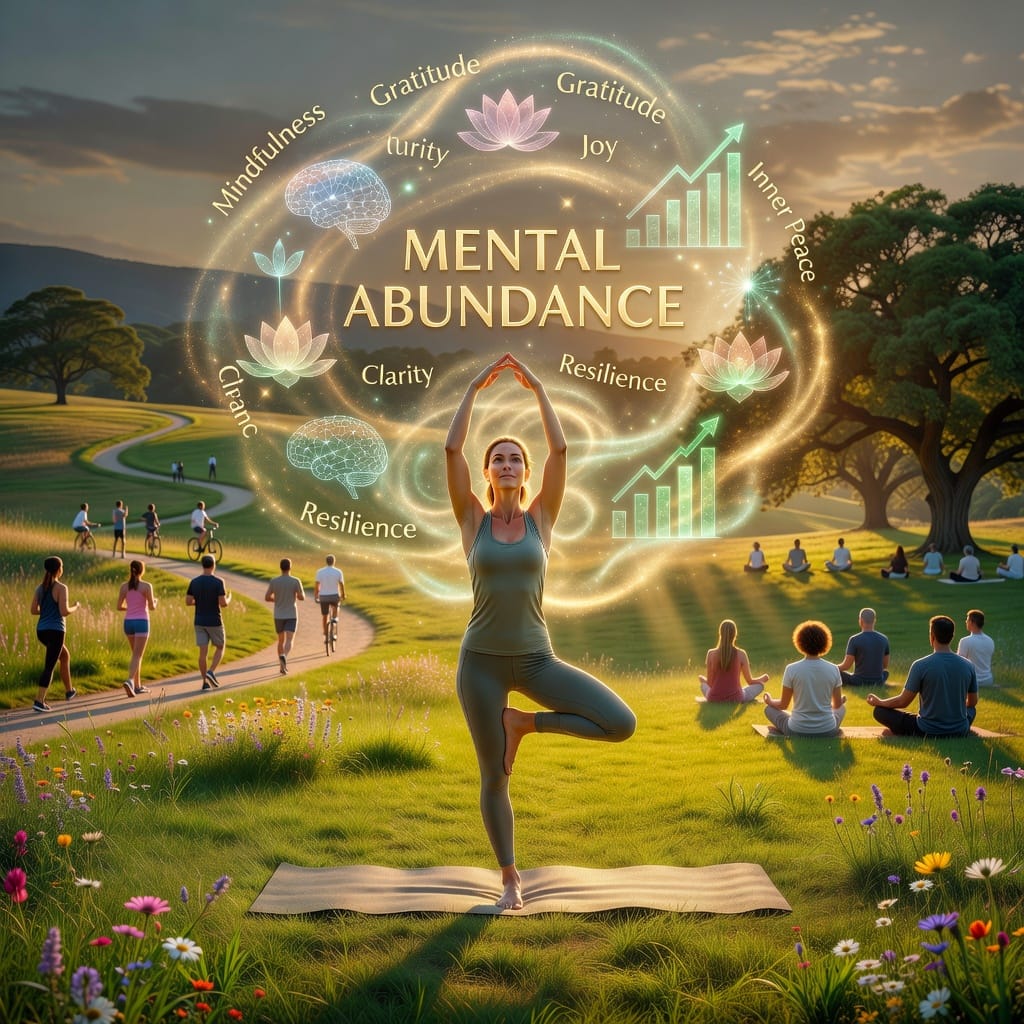
Why Integrating Physical Health with Mental Abundance Matters
Have you ever felt like your body is dragging you down, even when your mind wants to soar? You’re not alone. In today’s fast-paced world, it’s easy to treat physical health and mental well-being as separate things. But what if they were more connected than you think? Integrating physical health with mental abundance isn’t just a nice idea—it’s a game-changer for how you live your life.
Mental abundance means having a mindset full of positivity, clarity, and endless possibilities. It’s about feeling grateful, focused, and ready to tackle anything. When you pair that with strong physical health, everything clicks. Your workouts become easier, stress melts away, and you start attracting better opportunities. This integration creates a powerful cycle where your body supports your mind, and your mind fuels your body.
Think about it: exercise releases endorphins that boost your mood. A good night’s sleep sharpens your focus. Eating well gives you the energy to chase your dreams. By weaving these elements together, you’re building a foundation for true success. In this post, we’ll explore how to make integrating physical health with mental abundance a daily habit. We’ll dive into the why, the how, and some real-life tips to get you started.
The Connection Between Body and Mind
Our bodies and minds are like dance partners—they move best together. Science shows that physical health directly impacts mental abundance. For instance, when you exercise regularly, your brain produces more serotonin, the “happy chemical.” This helps fight off anxiety and builds a sense of calm.
On the flip side, neglecting your body can lead to foggy thinking and low energy. Chronic stress from poor sleep or bad diets ramps up cortisol levels, which can make you feel overwhelmed. Integrating physical health with mental abundance means addressing both to break that cycle.
Research from places like Harvard Medical School backs this up. Studies show that people who combine fitness routines with mindfulness practices report higher levels of life satisfaction. It’s not magic; it’s biology. Your gut health influences your mood through the gut-brain axis. Even small changes, like walking in nature, can spark creativity and joy.
But why does this matter for everyday folks? Because life throws curveballs. When your physical health is solid, you’re better equipped to handle mental challenges. Integrating physical health with mental abundance turns potential roadblocks into stepping stones.
How Exercise Boosts Mental Clarity
Let’s zoom in on exercise. It’s one of the simplest ways to integrate physical health with mental abundance. A brisk 30-minute walk can clear your head like nothing else. It increases blood flow to the brain, helping you think sharper.
Yoga takes it further. Poses that stretch your body also quiet your mind. Many people find that after a session, worries fade, and ideas flow freely. Integrating physical health with mental abundance through yoga isn’t about being flexible—it’s about being present.
Don’t forget strength training. Lifting weights builds not just muscle but confidence. As you see progress, your mental abundance grows. You start believing in your ability to achieve more.
Nutrition’s Role in Fostering Mental Abundance
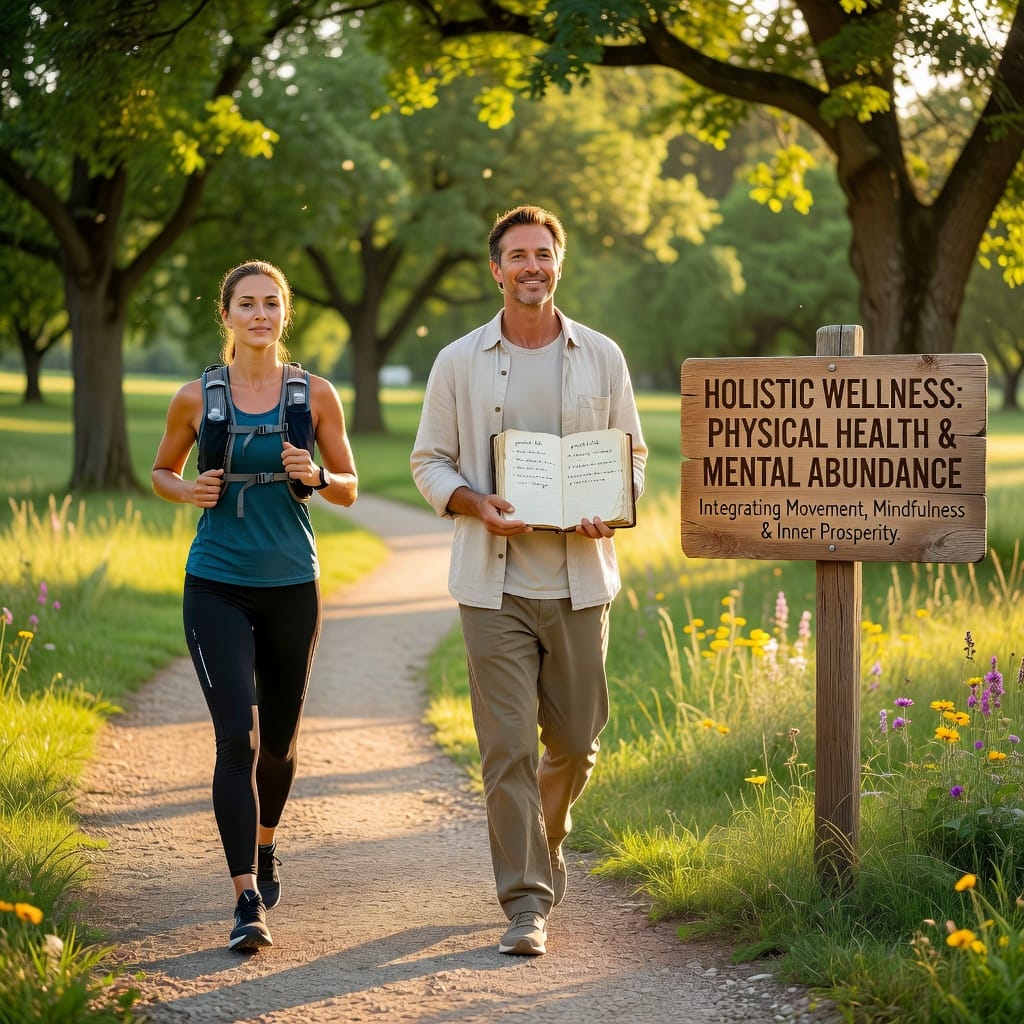
What you eat affects how you feel. Junk food might give a quick high, but it crashes hard, leaving you irritable and unfocused. Integrating physical health with mental abundance starts on your plate.
Focus on whole foods: veggies, fruits, lean proteins, and healthy fats. Omega-3s from salmon or walnuts support brain health, reducing depression risks. Berries are packed with antioxidants that protect your cells and lift your spirits.
Hydration is key too. Dehydration fogs your brain, making decisions tougher. Aim for eight glasses of water a day to keep things running smoothly.
Try mindful eating. Sit down without distractions and savor each bite. This practice builds gratitude, a cornerstone of mental abundance. When you fuel your body right, your mind thanks you with clearer thoughts and steady energy.
Superfoods for Body-Mind Balance
A few standout foods make integrating physical health with mental abundance easier. Dark leafy greens like spinach provide magnesium, which calms nerves. Avocados offer healthy fats that stabilize mood swings.
Nuts and seeds are portable powerhouses. A handful of almonds can curb hunger and sharpen focus. Turmeric, with its anti-inflammatory properties, fights brain fog from within.
Incorporate these into meals without overthinking. A smoothie with spinach, berries, and yogurt is a quick win. Over time, you’ll notice your mental abundance expanding as your body thrives.
The Power of Sleep in Integration
Sleep is the unsung hero. Without it, even the best intentions fall flat. Integrating physical health with mental abundance demands quality rest—aim for seven to nine hours nightly.
During sleep, your body repairs tissues, and your brain processes emotions. Skimp on it, and you’re more prone to stress or bad choices. Good sleep hygiene helps: dim lights an hour before bed, avoid screens, and keep a cool room.
Dreams play a role too. They help sort through daily chaos, fostering mental clarity. When rested, you’re more optimistic and productive.
If insomnia hits, try relaxation techniques. Deep breathing or progressive muscle relaxation eases you into slumber. Waking up refreshed supercharges your day, making integration feel natural.
Stress Management Techniques That Work
Stress is a thief—it steals your peace. Integrating physical health with mental abundance means tackling it head-on. Start with breathing exercises. A simple 4-7-8 technique—in for four seconds, hold for seven, out for eight—activates your calm response.
Meditation fits perfectly here. Just five minutes a day builds resilience. Apps guide beginners, but sitting quietly works wonders. It quiets the mental chatter, creating space for abundance.
Journaling is another tool. Write down worries, then shift to gratitudes. This rewires your brain toward positivity. Physical outlets like tai chi combine movement and mindfulness for double benefits.
Remember, it’s about consistency, not perfection. Small daily practices integrate physical health with mental abundance seamlessly.
Building a Stress-Reduction Routine
Craft a routine that suits you. Mornings might include gentle stretches and affirmations. Evenings could feature herbal tea and light reading.
Track what works. A journal notes how activities affect your mood. Over weeks, you’ll see patterns, refining your approach.
Surround yourself with support. Friends or wellness coaching programs in our portfolio can keep you accountable. Integrating physical health with mental abundance is easier with encouragement.
Moving Your Body Mindfully
Activity isn’t just about burning calories—it’s about connection. Integrating physical health with mental abundance shines in mindful movement. Dancing to your favorite tunes lifts spirits while toning muscles.
Hiking connects you to nature, reducing anxiety. The fresh air and scenery amplify mental abundance. Even household chores, done with intention, count as movement.
Set small goals: 10,000 steps daily or a weekly class. Celebrate wins to build momentum. As your body strengthens, your mind follows.
Explore activities like Pilates. They demand focus, blending physical challenge with mental discipline. Integrating physical health with mental abundance becomes second nature.
The Impact of Environment on Your Well-Being
Your surroundings matter. Cluttered spaces breed cluttered minds. Integrating physical health with mental abundance includes tidying up. A clean home invites calm.
Natural light boosts vitamin D, enhancing mood. Open windows for fresh air and gentle sounds. Plants purify air and add serenity.
Create zones: a workout nook or quiet reading spot. These cues signal your brain to shift gears. A supportive environment makes integration effortless.
Harnessing Gratitude and Positivity
Gratitude is glue for this integration. Daily thanks for your body’s abilities foster mental abundance. A morning list of three things sets a positive tone.
Visualization helps too. Picture yourself healthy and thriving—it motivates action. Combining this with walks amplifies effects.
Share positivity. Acts of kindness release feel-good hormones, linking physical and mental health.
In our blog post on daily gratitude practices, we explore more ways to cultivate this mindset.
Overcoming Common Challenges
Barriers pop up—time crunch, motivation dips. Start small: five-minute meditations or quick salads. Build from there.
If injury strikes, adapt. Swimming or chair yoga keep you moving without strain. Patience is key; progress varies.
Seek professional help if needed. Therapists or coaches guide through hurdles, ensuring smooth integration.
Real-Life Stories of Transformation
Meet Sarah, a busy mom who integrated physical health with mental abundance. Overwhelmed, she started yoga and meal prepping. Months later, she reports sharper focus and joy.
Then there’s Mike, an office worker. He added daily walks and journaling. Stress faded; opportunities arose.
These stories show it’s doable. Integrating physical health with mental abundance changes lives, one step at a time.
Daily Habits to Sustain the Integration
Make it stick with routines. Wake up, hydrate, move—repeat. Weekly check-ins assess balance.
Track sleep, mood, energy in an app. Adjust as needed. Community groups add fun and accountability.
Celebrate milestones. A new outfit or massage rewards effort, reinforcing the habit.
Advanced Strategies for Deeper Integration
Once basics click, level up. Try biohacking: cold showers for resilience, intermittent fasting for clarity.
Mindful eating evolves to intuitive eating—listen to your body’s cues. Advanced yoga or breathwork deepens the body-mind link.
Read books like “The Body Keeps the Score” by Bessel van der Kolk for insights. Check it out on Amazon to understand trauma’s physical roots and healing paths.
Nurturing Relationships in This Journey
Connections amplify everything. Share goals with loved ones for support. Joint activities, like partner yoga, bond and benefit.
Communicate needs. “I need quiet time for meditation” sets boundaries. Healthy relationships enhance mental abundance, supporting physical health.
Long-Term Benefits You Can’t Ignore
Over time, integrating physical health with mental abundance pays off big. Stronger immunity, better relationships, career wins—all flow from this foundation.
You’ll handle life’s ups and downs with grace. Energy sustains passions, leading to fulfillment.
It’s a lifestyle, not a quick fix. Embrace the journey; rewards unfold naturally.
Wrapping Up Your Path Forward
As you weave these elements into your days, notice the shifts. Energy rises, doubts fade. Integrating physical health with mental abundance opens doors you didn’t know existed.
Keep experimenting—find what resonates. Your unique path leads to lasting vibrancy. Here’s to a healthier, more abundant you.